SHARE ON:
Share on:
Iowa & Data Centers: The Facts
Iowans are talking about data centers. There’s a lot to discuss — but facts should drive the conversation. Here’s what Iowans should know.
Table of Contents
What Is a Data Center?
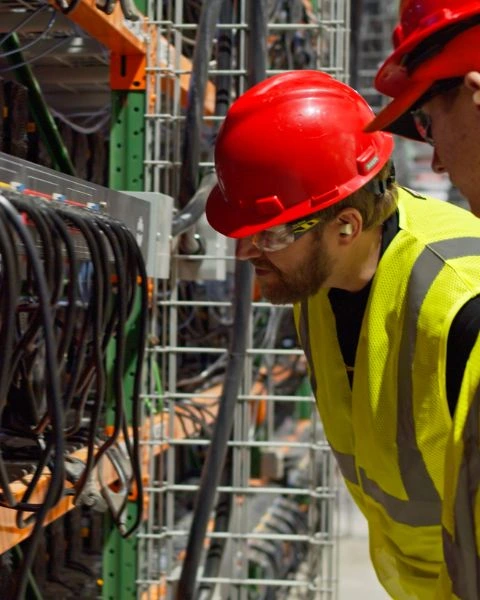
A data center is a large building full of computers that store and run the things we use online every day. Every time we stream a show, video call family, check the weather, get directions from GPS, save a photo, or pay a bill online, that information travels to and from a data center.
Think of it like a post office that never closes, constantly sorting, storing, and sending information so your texts, photos, and payments get where they’re supposed to go.
How We Use Data Centers Every Day
Streaming shows
Checking the weather
Banking and bill pay
GPS and Google searches
Telehealth and online education
Social media & photo sharing
Following crop and stock prices
What's Behind Data Center Growth?
Data centers aren’t just about AI. They’ve been expanding for over a decade to keep up with things we already do daily: streaming, cloud storage, remote work, online shopping. AI adoption is adding to that growth now, but it’s one piece of a longer trend, not the cause of it.
Local Control: Iowa Communities Set the Rules
Communities that host data centers control the terms of development. A well-crafted ordinance can make a data center a contributing part of the community, bringing local revenue, infrastructure upgrades, jobs, and other benefits.
A strong ordinance can address:
- Protecting natural resources — water use, cooling systems, noise limits, stormwater and landscaping standards.
- Community “Fit” — zoning on height, lighting, setbacks, and construction traffic plans.
- Giving back locally — directing tax revenue and other benefits toward schools, infrastructure, or emergency services, plus local hiring commitments.
- Planning for the long term — requirements for equipment disposal and site restoration at end of life.
- Keeping the process open — public hearings and independent review of water and energy studies, rather than relying on developer claims alone.
Water Use and Stewardship
Data centers use water mainly for cooling, since equipment generates heat that must be managed around the clock. How much water varies by cooling technology and facility design.
Ways operators are reducing water impact:
- Low- or no-water cooling — newer facilities increasingly use air-based or closed-loop systems that recirculate water to reduce consumption.
- Recycled and non-potable water — using reclaimed or non-drinking water sources instead of municipal drinking supply.
- Usage reporting and efficiency targets — tracking and publishing water use and designing to specific benchmarks.
- Local water studies and monitoring — some ordinances require water studies and drought contingency plans before a project moves forward.
Power Usage
- In some instances, new data centers pay for their own power needs — whether by building their own generation or buying from local utilities.
- This covers not just generation but supporting infrastructure like transmission and substations.
- Facilities enter agreements ensuring they pay for the power and upgrades they've committed to, regardless of actual usage.
Jobs and Local Workforce
Companies commit to working with local labor and providing workforce training, building a long-term local employment pipeline.
Keeping American Data in American Hands
Data housed in the U.S. stays under U.S. law and U.S. control. As more countries — including China — compete to build data center capacity, keeping American data in American-built and -operated facilities helps ensure it isn’t subject to foreign government access or control.